 Login
Login


Filed under: Car Buying,Driving,Ownership
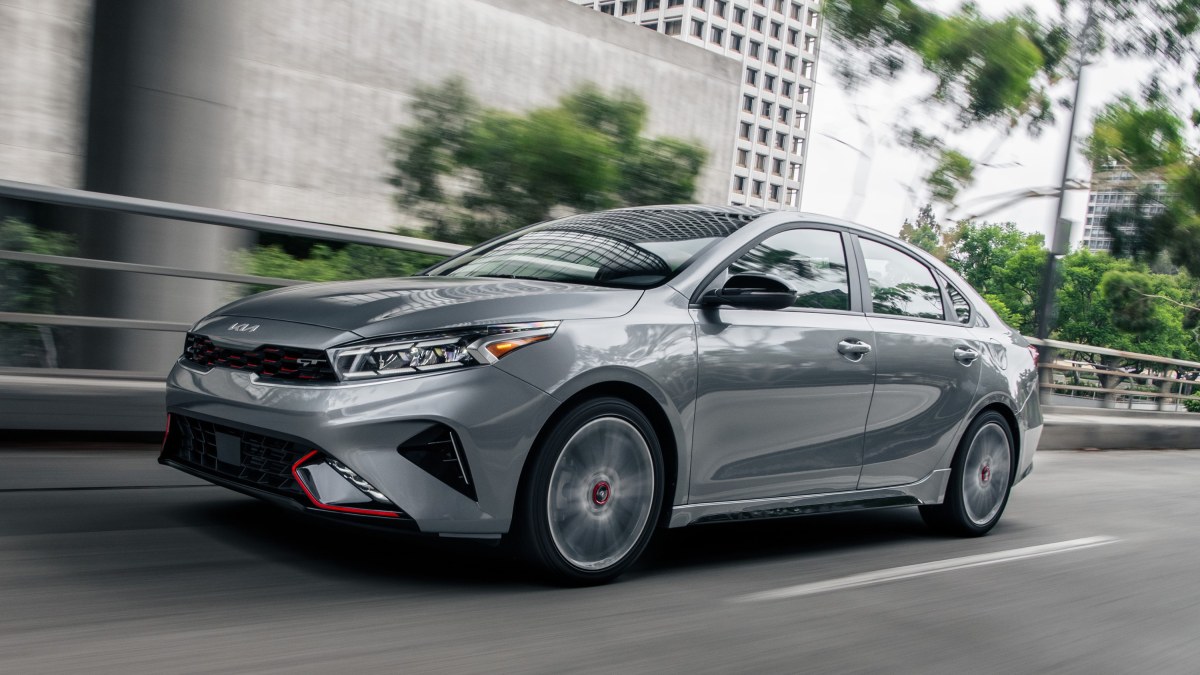
Continue reading These are the vehicles with the most satisfying seats
These are the vehicles with the most satisfying seats originally appeared on Autoblog on Thu, 15 Aug 2024 11:35:00 EDT. Please see our terms for use of feeds.
Permalink | Email this | Comments
Filed under: Green,Driving,Technology

Continue reading What is torque? (And while we're at it, what is horsepower?)
What is torque? (And while we're at it, what is horsepower?) originally appeared on Autoblog on Wed, 3 Jul 2024 10:05:00 EDT. Please see our terms for use of feeds.
Permalink | Email this | Comments
Filed under: Car Buying,Used Car Buying,Auto Repair,Maintenance,Ownership
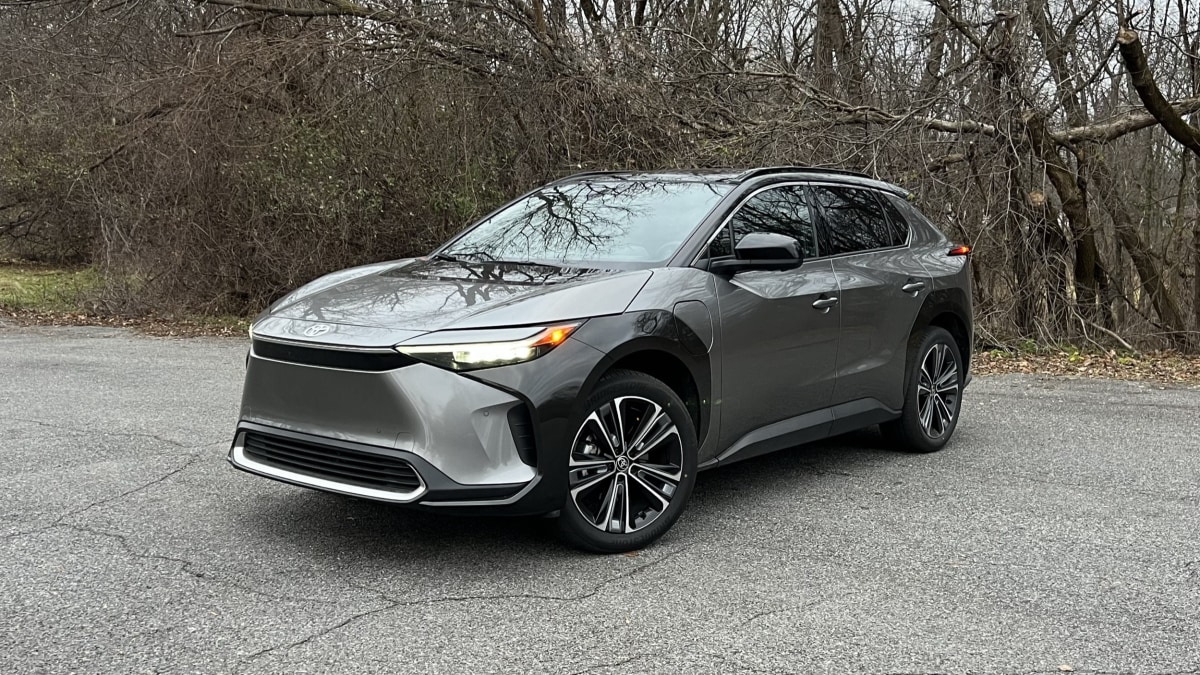
Continue reading EVs fare poorly in J.D. Power quality survey; Ram and Porsche top the rankings
EVs fare poorly in J.D. Power quality survey; Ram and Porsche top the rankings originally appeared on Autoblog on Thu, 27 Jun 2024 16:31:00 EDT. Please see our terms for use of feeds.
Permalink | Email this | Comments
Filed under: By the Numbers,Insurance,Ownership

Continue reading Half of all drivers don't have much trust in their car insurance company
Half of all drivers don't have much trust in their car insurance company originally appeared on Autoblog on Tue, 11 Jun 2024 16:06:00 EDT. Please see our terms for use of feeds.
Permalink | Email this | Comments
Driving a recreational vehicle isn’t always as easy as hopping in your car or truck and hitting the road. There’s a little more to keep in mind, whether you’re cruising from coast to coast in an RV or are using it for long weekends at the lake. Consider these safety tips before you head out in your RV.
Due to its height and length, motorhome drivers may have some blind spots you wouldn’t typically have with your average sedan. This means you may need to be a little more vigilant about what is going on around you. RVShare.com recommends making full use of your mirrors, both rearview and sideview, to see as much as possible of the road and traffic conditions around you. Newer RVs may even have cameras to help you monitor hard-to-see areas.
RVs are heavier than your average car, and can take a longer time to come to a complete stop after you’ve applied the brake. Keeping a safe following distance behind other vehicles may help give you the time and space to stop safely and prevent you from having to slam on the brakes.
The distance it takes to completely stop will be different for each vehicle on the road. It comes down to three things, says the Utah Department of Transportation (UTOD): the distance traveled before the driver perceives the need to stop, the time it takes the driver to react and step on the brake and the distance the vehicle travels with the brake pressed until it stops completely. The heavier the vehicle, the more distance it will need to stop completely, according to UTOD.
When you’re driving a motorhome, it’s important to check your tires each and every time you use the vehicle, says Kampgrounds of America (KOA). With the weight your RV tires are carrying, your safety depends on them being properly inflated at all times. Get yourself a tire pressure gauge and know exactly how much pressure your tires should have, then check them regularly. KOA adds that you should check the pressure when the tires are “cold,” which means they aren’t warm from recent use. Be sure they are inflated to the range indicated in the owner’s manual, and do not exceed the maximum pressure noted on the tires. You may also want to cover the tires when you’re not using the motorhome, says KOA, to help prevent damage from the sun and other elements.
While you certainly need to pack the gear you’ll need while living out of your RV, you also need to keep the added weight of your cargo in mind. You need to stay within the manufacturer’s stated weight limits, such as the Gross Vehicle Weight Ratings and Gross Axle Weight Ratings, as well as the tire weight limits, says KOA. It’s a good idea to weigh the packed RV and each axle end to be sure you’re within allowable weight limits. TripSavvy also recommends checking on laws in each state you’ll be visiting, as RV regulations regarding the weight of your vehicle may vary from state to state. For example, some states may require trailers over a certain weight to have brakes (in addition to the tow vehicle’s braking system).
How you pack your RV can make a big difference. Keep the load even and balanced, says DoItYourselfRV.com, and place heavier items closer to the ground. Be sure to secure loose items so they do not slide around while the vehicle is in motion.
As with any vehicle, it’s important to keep safety in mind at all times. While an RV may feel like home, it’s important for every passenger to use a seat belt while you’re on the road. Stay securely buckled in and avoid the temptation to move around.
Camping World also offers these safety tips for driving your RV:
RVs can be a great way to travel, but there are few extra precautions to consider before you hit the road. With a little practice and preparation, you may stay safer and have a trip to remember.
Originally published on October 18, 2012.
The post Driving Your RV: Staying Safe on the Road appeared first on The Allstate Blog.

 SUVCars.com News