 Login
Login


Filed under: Humor,Weird Car News,Ford,Automotive History,Minivan/Van,Special and Limited Editions,Classics
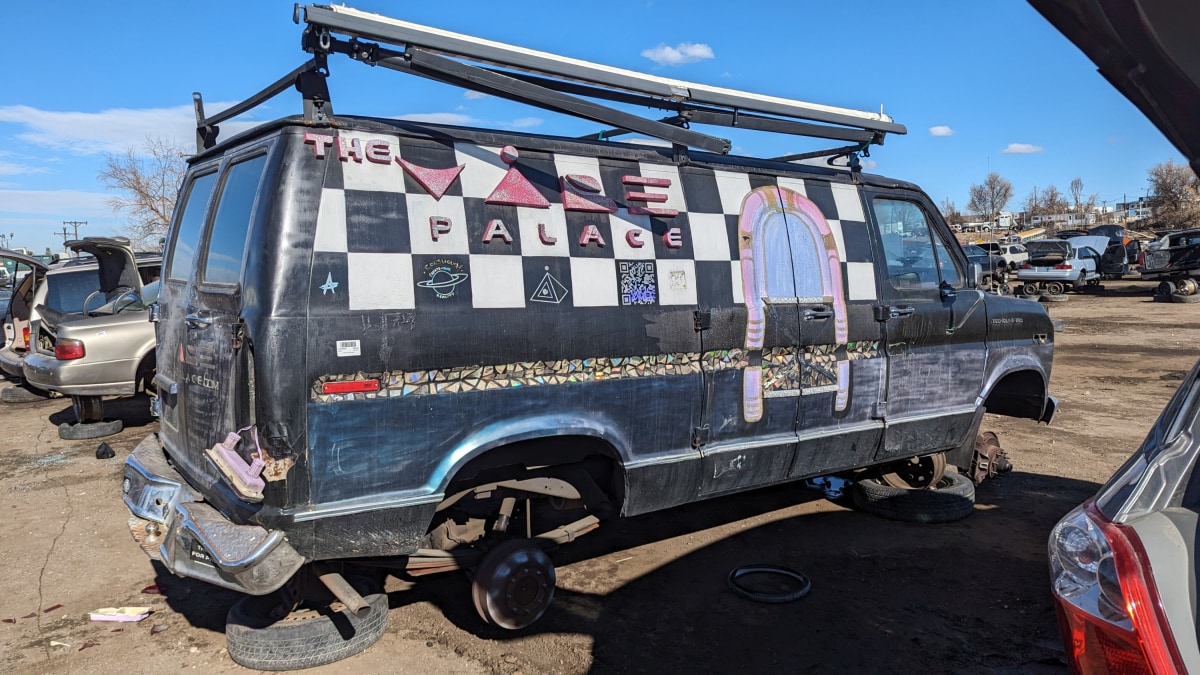
Continue reading Junkyard Gem: 1990 Ford Econoline 250 Vibe Palace
Junkyard Gem: 1990 Ford Econoline 250 Vibe Palace originally appeared on Autoblog on Mon, 26 Aug 2024 12:30:00 EDT. Please see our terms for use of feeds.
Permalink | Email this | Comments
Filed under: Design/Style,Humor,Chevrolet,Automotive History,Coupe
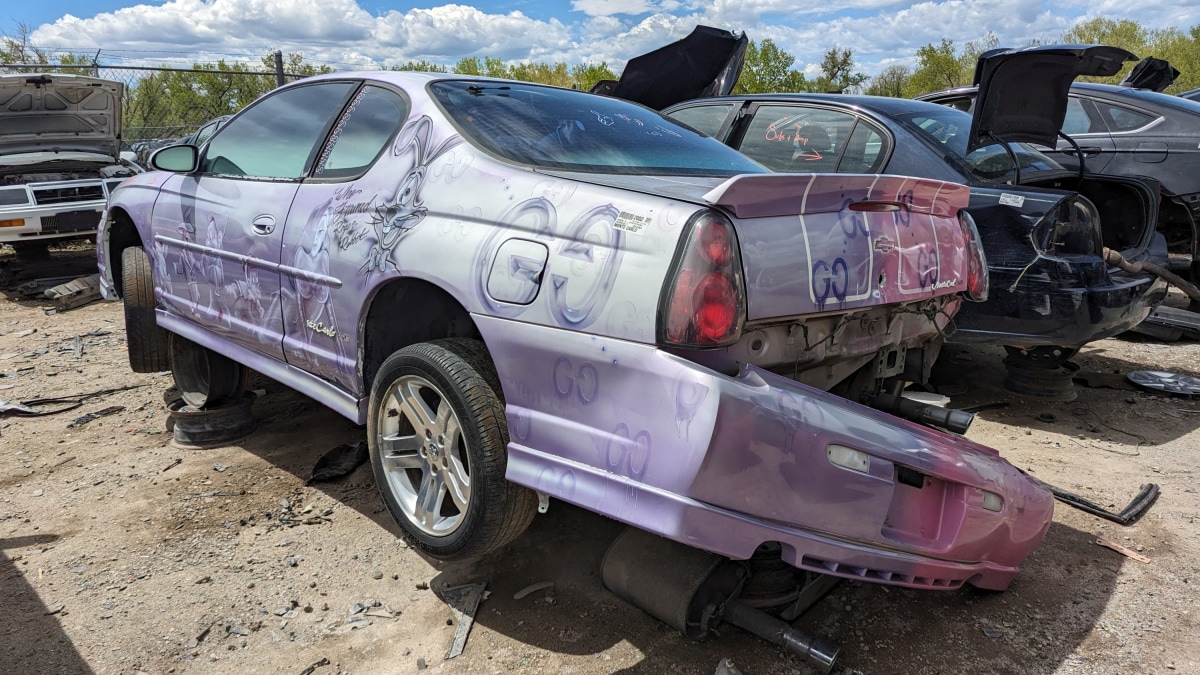
Continue reading Junkyard Gem: 2002 Chevrolet Monte Carlos SS, Disney Gucci Edition
Junkyard Gem: 2002 Chevrolet Monte Carlos SS, Disney Gucci Edition originally appeared on Autoblog on Sun, 18 Aug 2024 12:00:00 EDT. Please see our terms for use of feeds.
Permalink | Email this | Comments
Filed under: Government/Legal,Hirings/Firings/Layoffs,UAW/Unions

Continue reading UAW files complaints against Trump, Musk for trying to intimidate workers
UAW files complaints against Trump, Musk for trying to intimidate workers originally appeared on Autoblog on Tue, 13 Aug 2024 12:23:00 EDT. Please see our terms for use of feeds.
Permalink | Email this | Comments
Filed under: Government/Legal,Motorsports,Cadillac,GM

Liberty Media confirms Justice Department investigation over Andretti-Cadillac F1 bid originally appeared on Autoblog on Thu, 8 Aug 2024 21:55:00 EDT. Please see our terms for use of feeds.
Permalink | Email this | Comments
Filed under: Mitsubishi,Automotive History,Truck,SUV,Classics
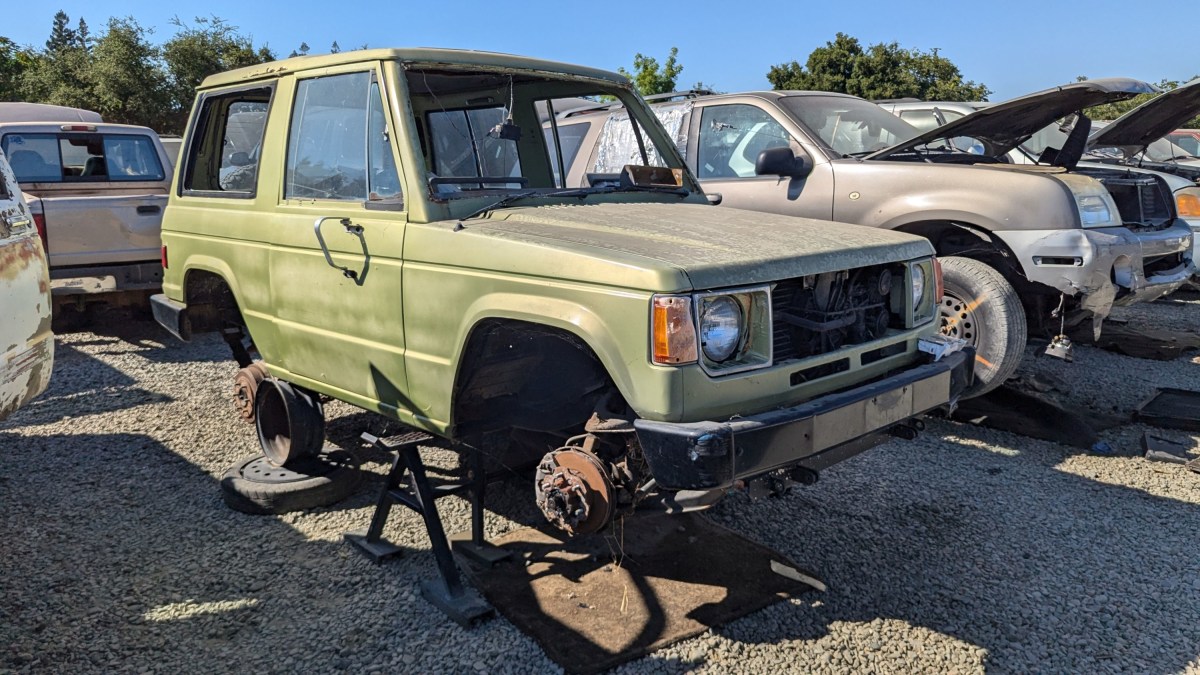
Continue reading Junkyard Gem: 1984 Mitsubishi Montero Sport
Junkyard Gem: 1984 Mitsubishi Montero Sport originally appeared on Autoblog on Wed, 7 Aug 2024 16:45:00 EDT. Please see our terms for use of feeds.
Permalink | Email this | Comments
Filed under: Motorsports
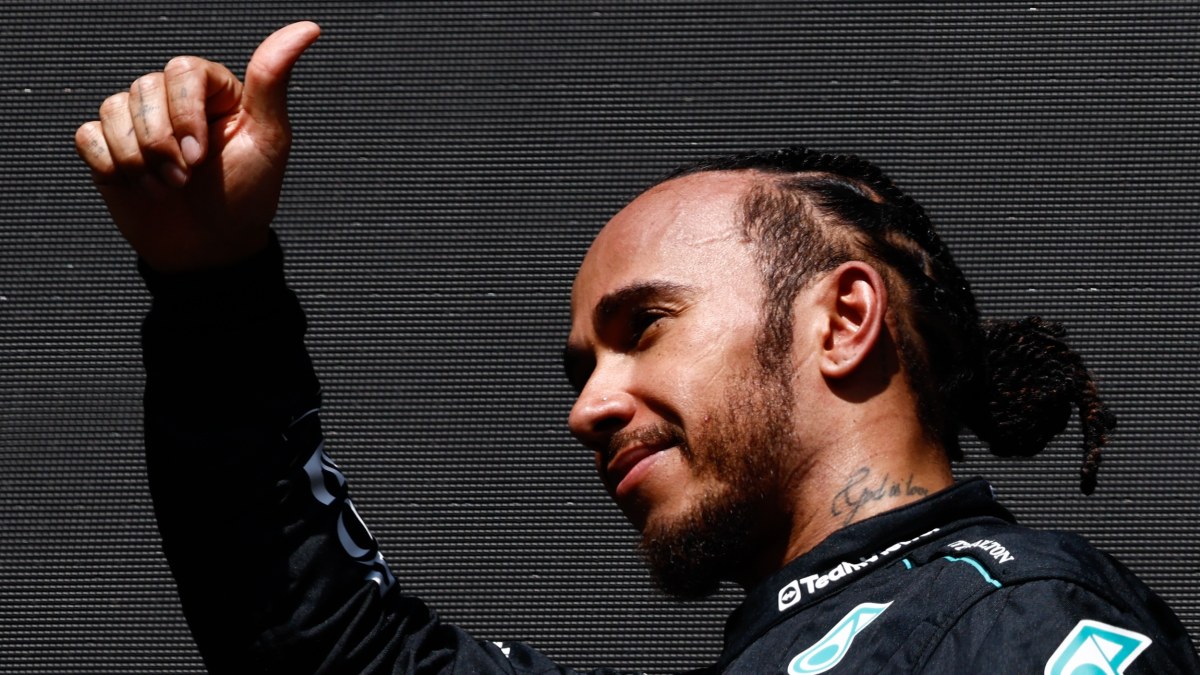
Lewis Hamilton declared winner of F1 Belgian GP after George Russell DQ for underweight car originally appeared on Autoblog on Sun, 28 Jul 2024 16:06:00 EDT. Please see our terms for use of feeds.
Permalink | Email this | Comments
Filed under: Motorsports
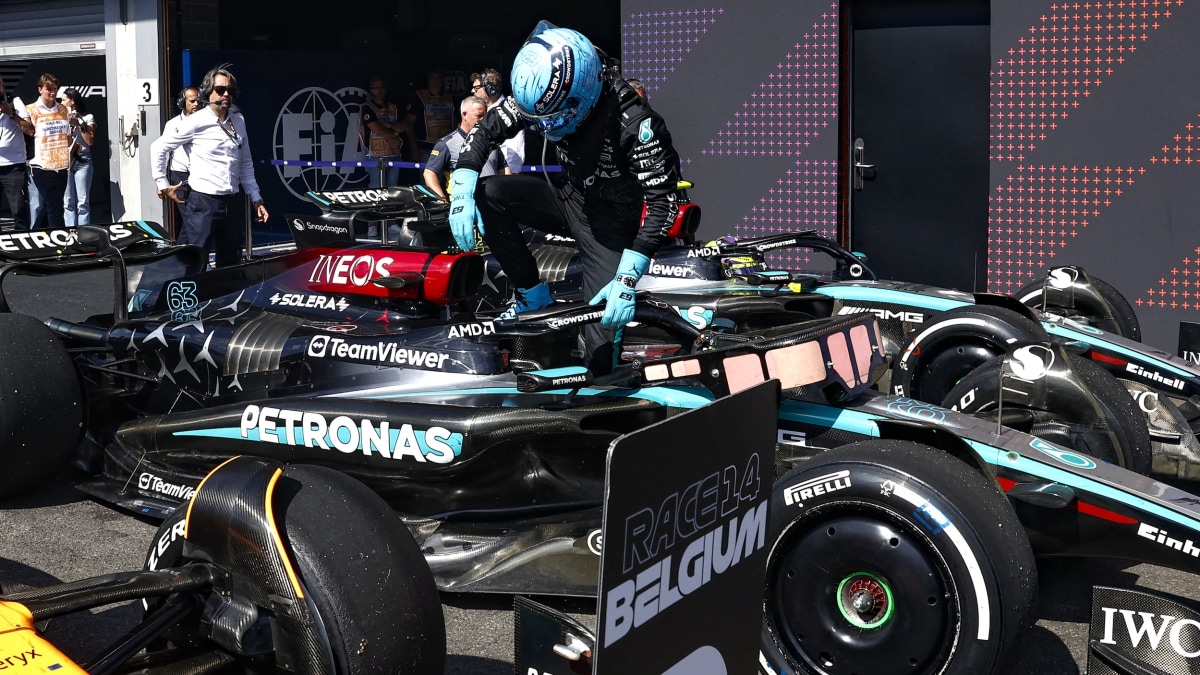
George Russell holds off Lewis Hamilton to cross finish line first in F1 Belgian Grand Prix *UPDATE originally appeared on Autoblog on Sun, 28 Jul 2024 11:45:00 EDT. Please see our terms for use of feeds.
Permalink | Email this | Comments
Filed under: Weird Car News,Chevrolet,Automotive History
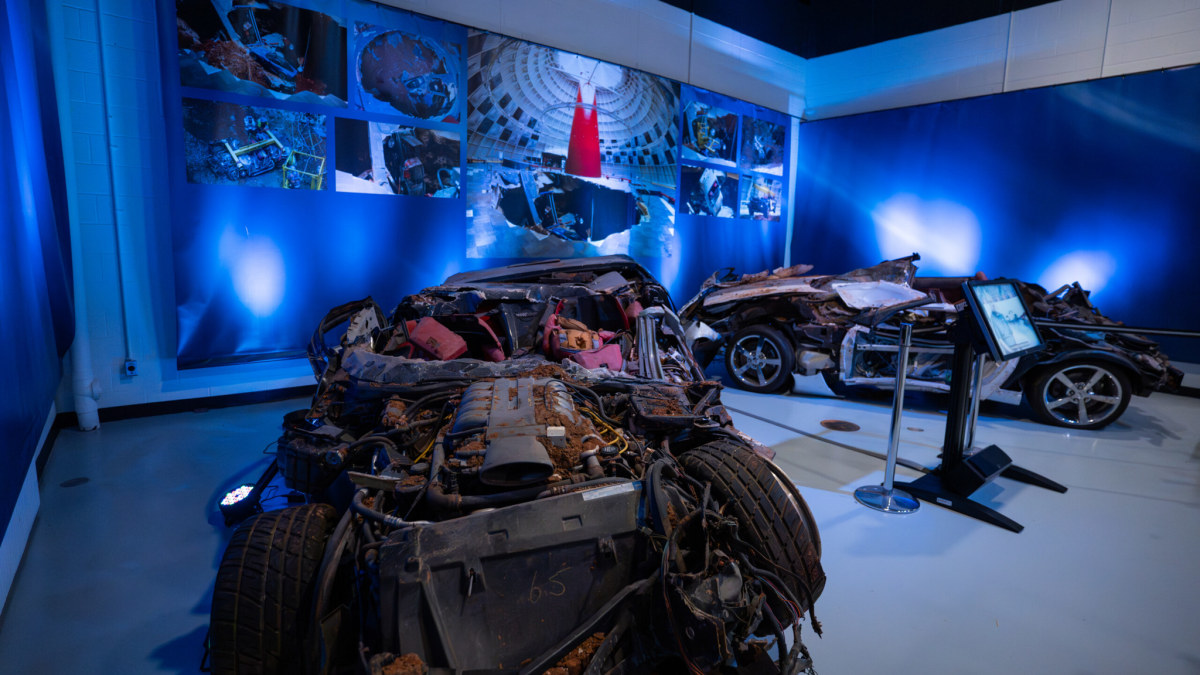
Continue reading National Corvette Museum's newest exhibit commemorates the 2014 sinkhole
National Corvette Museum's newest exhibit commemorates the 2014 sinkhole originally appeared on Autoblog on Thu, 4 Jul 2024 13:00:00 EDT. Please see our terms for use of feeds.
Permalink | Email this | Comments
Filed under: Government/Legal,Plants/Manufacturing,Weird Car News

Continue reading The car Putin gifted to Kim Jong-un was built with South Korean parts
The car Putin gifted to Kim Jong-un was built with South Korean parts originally appeared on Autoblog on Sat, 29 Jun 2024 07:00:00 EDT. Please see our terms for use of feeds.
Permalink | Email this | Comments
Filed under: Commerce

Continue reading Why you can trust Autoblog
Why you can trust Autoblog originally appeared on Autoblog on Mon, 10 Jun 2024 05:00:00 EDT. Please see our terms for use of feeds.
Permalink | Email this | Comments
Filed under: Motorsports
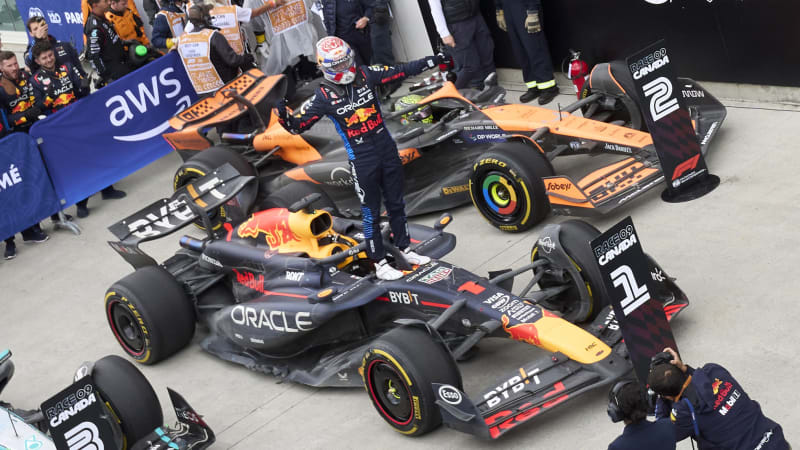
Continue reading Max Verstappen wins a rain-soaked F1 Canadian Grand Prix
Max Verstappen wins a rain-soaked F1 Canadian Grand Prix originally appeared on Autoblog on Sun, 9 Jun 2024 17:46:00 EDT. Please see our terms for use of feeds.
Permalink | Email this | Comments
Filed under: Motorsports
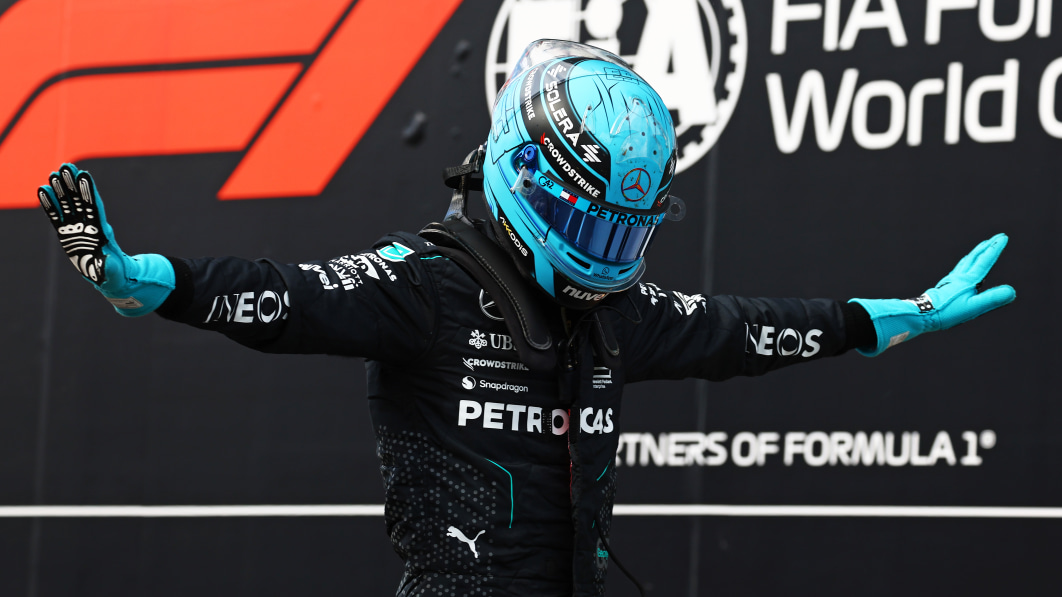
Continue reading George Russell takes pole at Canadian Grand Prix ahead of Max Verstappen
George Russell takes pole at Canadian Grand Prix ahead of Max Verstappen originally appeared on Autoblog on Sat, 8 Jun 2024 19:10:00 EDT. Please see our terms for use of feeds.
Permalink | Email this | Comments
Filed under: Tesla

Continue reading Musk asks Nvidia to ship AI chips booked for Tesla to X and xAI, CNBC reports
Musk asks Nvidia to ship AI chips booked for Tesla to X and xAI, CNBC reports originally appeared on Autoblog on Tue, 4 Jun 2024 14:30:00 EDT. Please see our terms for use of feeds.
Permalink | Email this | Comments
Filed under: Chevrolet,Automotive History,Sedan
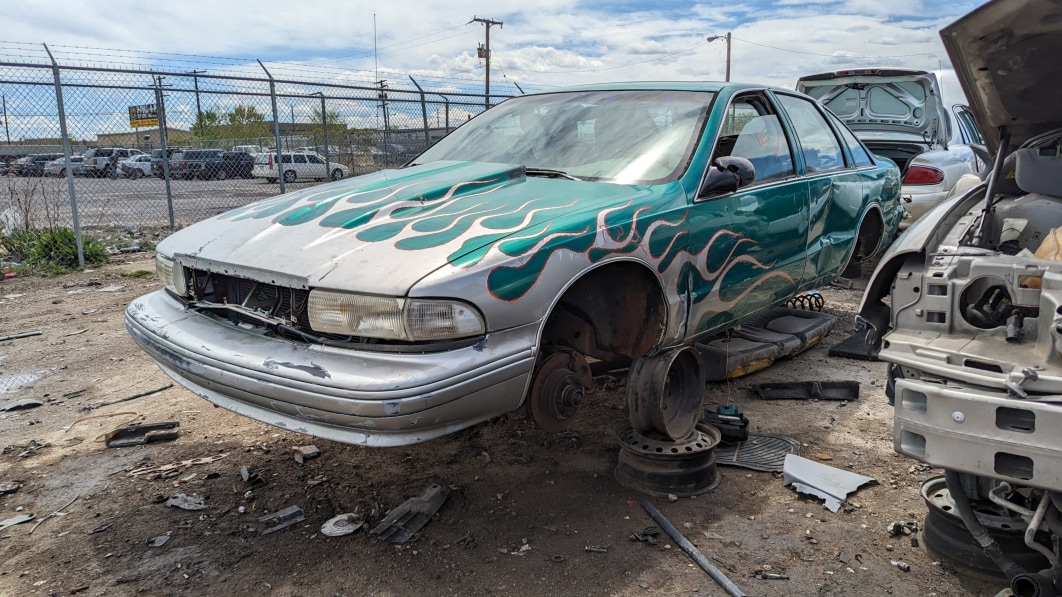
Continue reading Junkyard Gem: Customized 1994 Chevrolet Caprice Classic LS Sedan
Junkyard Gem: Customized 1994 Chevrolet Caprice Classic LS Sedan originally appeared on Autoblog on Mon, 27 May 2024 13:00:00 EDT. Please see our terms for use of feeds.
Permalink | Email this | Comments
Filed under: Fiat,Used Car Buying,Automotive History,Convertible,Performance,Classics
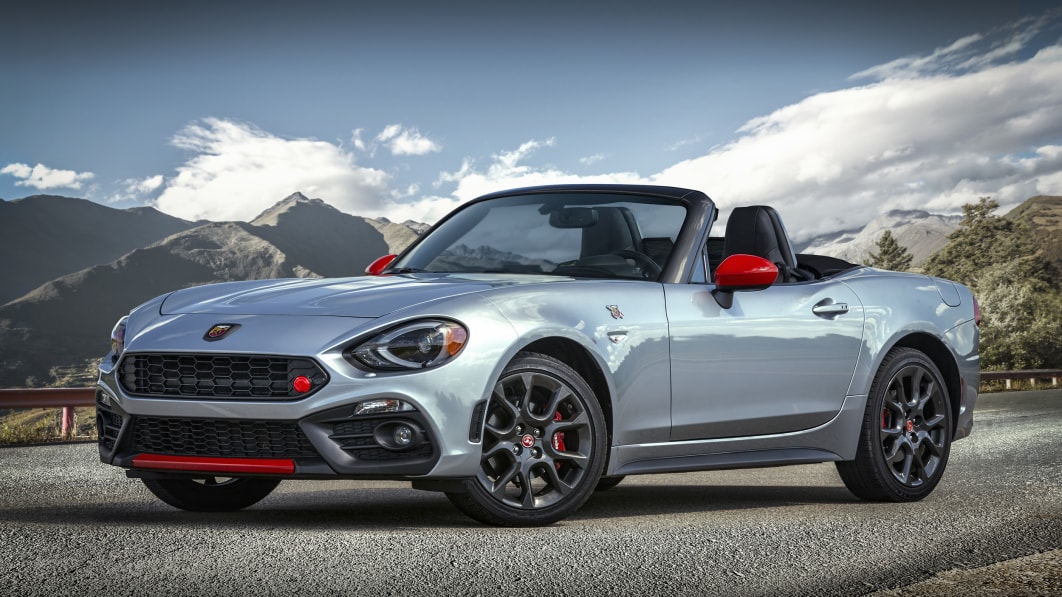
Continue reading 2017-2020 Fiat 124 Spider: Future Classic
2017-2020 Fiat 124 Spider: Future Classic originally appeared on Autoblog on Thu, 16 May 2024 06:00:00 EDT. Please see our terms for use of feeds.
Permalink | Email this | Comments
Filed under: Green,Hirings/Firings/Layoffs,Plants/Manufacturing,Tesla,Electric

Continue reading Here's the inside story of why Elon Musk fired the entire Tesla Supercharger staff
Here's the inside story of why Elon Musk fired the entire Tesla Supercharger staff originally appeared on Autoblog on Wed, 15 May 2024 08:40:00 EDT. Please see our terms for use of feeds.
Permalink | Email this | Comments
Filed under: Government/Legal,Green,Tesla,Electric
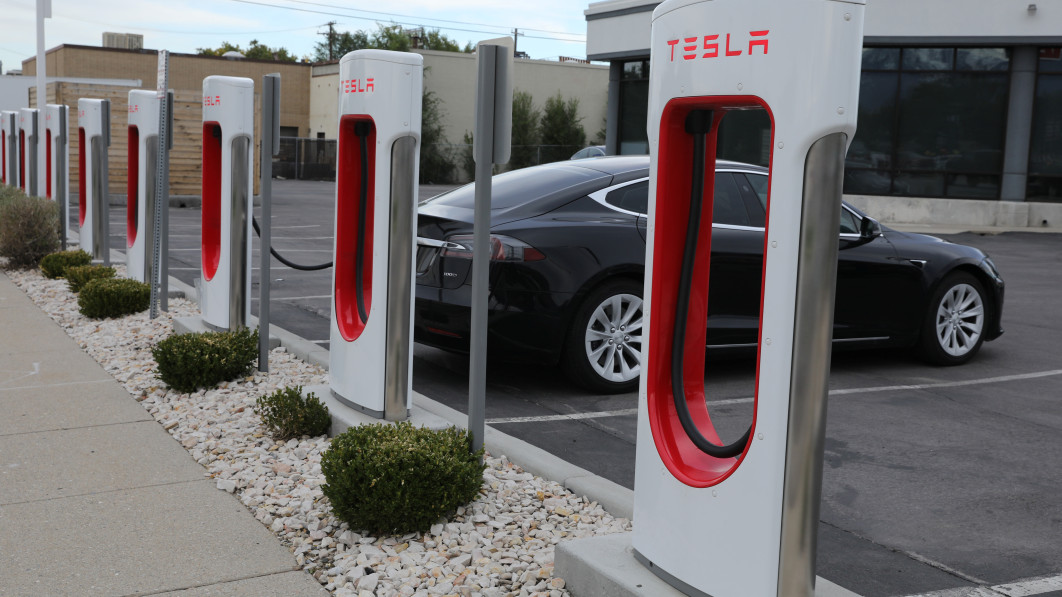
Tesla's EV charging team layoffs threaten to slow Biden's program to electrify highways originally appeared on Autoblog on Fri, 10 May 2024 08:25:00 EDT. Please see our terms for use of feeds.
Permalink | Email this | Comments
Undoubtedly, the transcontinental record posted last year will not stand for long, as there are probably teams of people right now plotting their strategy to traverse the country in less time. They will certainly achieve this with new routes, higher speeds, and/or better luck. Throughout the history of transcontinental travel, the limitations on closing the time gap was technology and the infrastructure: Wagons, trains, motorcycles, and cars traveled across everything from the barren wastelands of the Southwest to pristine asphalt freshly laid west.
The very nature of the automobile and railroad industry may change the environment of future attempts, as technology and the imagination of engineers and scientists endeavor to create safe, faster, and better travel. Autonomous vehicles, magnetic levitating (Maglev) bullet trains, and commercial airplanes complete with auto pilot, are the future. Imagine riding in a car that is capable of sensing its environment and navigating without human input; what’s more, imagine being surrounded by like vehicles. Perhaps the highways of the near future will be dominated by such cars and trucks that can run at high speeds for long durations in close formations, hampered neither by traffic, speed laws, or fuel constraints.

2016 Mercedes S Class autonomous features
For example, the 2016 Mercedes S-Class has options for autonomous steering, lane maintaining functions, acceleration/braking, parking, accident avoidance, and driver fatigue detection, in both city traffic and highway speeds of up to 124 mph. With adaptive cruise control (monitors distances to adjacent vehicles in the same lane, adjusting the speed with the flow of traffic) it has the earmarks of a completely autonomous vehicle.

Google’s self-driving car project
Not to be outdone by Mercedes, Audi and BMW have done extensive research on self-driving cars, but nothing like what Google has been working on. Sebastian Thrun is head of Google’s Self-Driving Car project at Google X (its experimental branch). Working on legislation passed in four states and Washington D.C. to allow driverless cars, Thrun’s team, along with Toyota, modified a Prius with driverless technology. In May 2012, it was the first such car to obtain a license for an autonomous car.
By 2020, Google plans to offer its version of a driverless car (it has no pedals nor a steering wheel) to the public. As of September 2015, Google’s fleet of experimental prototypes have traveled nearly 1.3 million miles of public roads (with only 14 minor traffic accidents).
Highways of the Future

Smart Highway by Daan Roosegaarde
Imagine a highway not dotted with road signs or streetlights, but brightly lit and well annotated. The lines on the road itself glows, and the road signs appear on a monitor inside the cabin of your car (or not at all; the car’s computer knows where it is and where it is going so you don’t have to). Sounds a little far fetched, but right now there are about three miles of Highway N329 outside of Amsterdam that use glowing green paint to mark the lanes. Developed by Daan Roosegaarde, the paint glows indefinitely, and he has big ideas to make it able to change colors depending on road conditions.

Solar Roadways
In Sandpoint, Idaho, Solar Roadways, owned by Scott and Julie Brusaw, has developed interconnected road panels to form a “smart” highway. Harnessing the power everywhere there are roads, can power lights, signs, and even electric cars using the roads themselves. In addition to the potential to power nearby homes, businesses, and electric vehicles, the panels also have heating elements for convenient snow and ice removal, as well as LEDs that can make road signage.
Take the Train

Japan’s high speed rail line
For years, countries like Japan and England/France have utilized high-speed rail in their countries. Japan’s Shinkansen line is the world’s busiest high-speed line, carrying nearly 151 million passengers a year between Tokyo and Osaka, while China’s high-speed system ferries over 370 million annually. Though they travel at approximately 150mph, this is by conventional railway trains (steel rails and a wheeled trains), but the future is Maglev train systems that travel on superconducting magnets that not only drive the train forward at incredible speeds but keep it planted on the tracks. In 2009, the Maglev Technological Practicality Evaluation Committee under the Japanese Ministry of Land, Infrastructure, Transport and Tourism deemed the SCMaglev system ready for commercial operation. In 2003, the Maglev train with three passenger cars (unoccupied) set the land speed record for railed vehicles at 361.0 mph. Completed systems will be online by 2027 in Japan, and at that rate, one could travel from New York to Los Angeles in 6.7 hours.
Beyond the Wheel
With cars communicating with each other along the highways, dangers ahead can be shared among the cars on the road. The speeds can increase, the distance between cars can decrease, and accidents can become nearly a thing of the past. As many automakers have shown, a computer is much quicker than any human in detecting a situation, deciding on what course of action to take, and taking that action. A deer crossing the road can be detected by a computer in pitch black darkness hundreds of feet away and a solution formatted long before the deer knows there’s a car approaching.
Production cars today are capable of sub-200 mph speeds; now imagine those speeds with the confidence of a well-engineered road and a computer at the helm, the time it would take to travel from New York to Los Angeles would be just over 12 hours.
The Transcontinental Record?
It is hard to say what the future holds, but one thing is clear: As long as there is a record on the books, someone, somewhere will try to break it. After all, when the first person set foot on this continent, negotiating a path to the other side was made impossible only by his or her own limitations.
The quickest way from the East to the West Coast was via Clipper ship around The Horn, taking about 150 days. By land, that time was nearly six months. Today, it is five hours by plane and, now, only 28 hours by car.
What will the record be in another 10 years? Twenty? And will it have been made by a human driving a car or a car driving the human? If it is the latter, will it still be a record?
Whether it’s coast to coast or just around town, count on Chilton for vital data to keep your vehicle in top shape. Access your ChiltonDIY subscription for service and repair information, troubleshooting, and full-text technical service bulletins (TSBs) and Recalls.
By Jim Marotta

At 100 horsepower per liter, GM’s newer turbocharged 1.4L has the power of a larger engine but retains the efficiency of a small-displacement four-cylinder in most driving conditions. Courtesy GM
A naturally aspirated automobile engine uses the downward stroke of a piston to create an area of low pressure in order to draw air into the cylinder through the intake valves. Because the pressure in the atmosphere is no more than 14.7 psi, there is a limit to the amount of airflow entering the combustion chamber.
A turbocharged engine uses a radial fan pump driven by the engine’s exhaust that consists of a turbine and a compressor on a shared shaft. The turbine converts exhaust gases exiting the engine into rotational force, which is used to drive a compressor which draws in ambient air and pumps it at high pressure into the intake manifold to improve the engine’s volumetric efficiency. This results in a greater mass of air entering the cylinders on each intake stroke.
There are four main components to a turbocharger: the housing, the impeller/turbine wheels, the center hub and the bypass.

The size and shape of the housings fitted around the impeller and turbine affect performance, response, and efficiency. Courtesy Borg-Warner
The size and shape of the housings fitted around the impeller and turbine dictate the performance characteristics of the overall turbocharger. This allows the designer of the engine system to tailor the compromises between performance, response, and efficiency to application or preference.
The impeller and turbine wheel sizes also dictate the amount of air or exhaust that can be flowed through the system. Generally, the larger the turbine and compressor wheels, the larger the flow capacity. The shape, curvature and number of blades on the wheels allow infinite variability in design to tailor a turbocharger to a given engine.

Water-cooled bearings, such as the one shown, allow engine coolant to keep the lubricating oil cooler, avoiding possible oil coking from the extreme heat found in the turbine. Courtesy Borg-Warner
The center hub connects the compressor impeller and turbine and uses a bearing lubricated by a constant supply of pressurized engine oil. While the engine oil cools some systems, the preferred method is to use engine coolant to keep the lubricating oil cooler, avoiding possible oil coking from the extreme heat found in the turbine.
Turbos use a bypass or wastegate to prevent over-pressurizing the system. At a specific boost pressure, a bypass feeds part of the exhaust gas flow around the turbine. The wastegate which opens or closes the bypass is usually operated by a spring-loaded diaphragm in response to the boost pressure.
There are several tips to maintaining and servicing turbochargers:
Planning to service or repair your vehicle? Chilton can help! Access procedures, specifications, tips, and more at http://www.ChiltonDIY.com/.
 |
A muscle car enthusiast and drag racer, Jim Marotta is a freelance automotive writer with more than 20 years experience in the automotive industry. |

Draining and refilling the coolant is one of the easier maintenance tasks you can do on most vehicles. In addition to saving money, doing your own maintenance is a way to monitor the health of your vehicle.
Coolant loses effectiveness over time, so it’s important to periodically drain and refill the cooling system. In addition, as coolant becomes dirty, and rust and particles can eventually degrade cooling system components, such as the engine and water pump.
If you drain the system and then pour coolant in, there is still air trapped within the hoses and components that hold coolant. That air must be removed. You’ll need to bleed out the air and then top off the coolant to the proper level.
Some car manufacturer refill procedures use a special tool that automatically fills the cooling system and bleeds any excess air. In most cases, if you don’t have the special tool, you can still fill the cooling system and bleed it manually. In rare cases, vehicles need to be serviced with specialized cooling system equipment, due to the complexity of the cooling system. Air will become trapped in the cooling system, and cause the engine to overheat! Check the service information before you attempt the procedure.

Research the vehicle’s cooling system.
Caution
Do not work on the coolant system when the system is hot and under pressure: Coolant can cause serious burns. Do not remove the radiator cap, cylinder block drain plugs, or loosen the radiator draincock, when the engine is hot.
1. Tighten the radiator draincock.

Tighten the radiator draincock. 2010 Chevrolet HHR shown. Image: General Motors
2. Tighten the cylinder block drain plug(s).

Tighten the engine block drain plug. 2010 Chevrolet HRR shown. Image: General Motors.
3. Fill the cooling system with the manufacturer-specified antifreeze. You can find the correct specification in your Chilton DIY subscription or in your owner’s manual. Because specifications change occasionally, such as with new technology, it’s a good idea to check the technical service bulletins in your ChiltonDIY subscription too.
4. Fill the radiator to the top and install the radiator cap. Add sufficient coolant to the overflow tank to raise the level to the FULL mark. Check your Chilton DIY specifications or the owner’s manual for the coolant amount including the overflow tank.

Fill the radiator to the top and install the radiator cap. 2010 Chevrolet HHR shown. Image: General Motors.
5. Run the engine with both the radiator cap and reservoir/overflow tank cap in place. Turn on the heat with the blower on high. When the engine reaches normal operating temperature, shut the engine off and allow it to cool.
6. Top off the coolant level to the reserve/overflow tank as necessary to bring it to the FULL mark. Only add coolant when the engine is cold. The coolant level in a warm engine will be higher due to thermal expansion – that is, hot coolant expands and so the coolant level will appear to be higher.
7. Repeat the procedure and recheck the cooling system level.

 SUVCars.com News